Kitchen Lighting Plan
A well-planned kitchen lighting design is essential for creating a functional and inviting space. The kitchen is often considered the heart of the home, where families gather to cook, eat, and share moments together. Proper lighting not only enhances the aesthetic appeal of the kitchen but also plays a crucial role in ensuring safety and efficiency during meal preparation.
A thoughtfully designed lighting scheme can transform an ordinary kitchen into a vibrant and welcoming environment, making it a place where memories are made and cherished. Moreover, the right lighting can significantly impact the overall mood and atmosphere of the kitchen. Bright, well-lit spaces can energize and motivate individuals to engage in culinary activities, while softer, warmer lighting can create a cozy ambiance for family gatherings or intimate dinners.
By investing time and effort into planning your kitchen lighting, you can ensure that your space is not only visually appealing but also functional and conducive to your lifestyle. This is where the expertise of professionals like Skyon Group comes into play, as they understand the importance of crafting environments that reflect your unique character and needs. Welcome Home with Skyon Group.
Key Takeaways
- A well-planned kitchen lighting design is essential for creating a functional and inviting space.
- Understanding the different types of kitchen lighting, including task, ambient, and accent, is crucial for achieving the right balance.
- Properly illuminating work areas in the kitchen with task lighting is important for safety and efficiency.
- Ambient lighting helps to create a warm and inviting atmosphere in the kitchen, making it a more enjoyable space for cooking and entertaining.
- Accent lighting adds style and visual interest to the kitchen, enhancing its overall design and aesthetic appeal.
Understanding the Different Types of Kitchen Lighting: Task, Ambient, and Accent
To create an effective kitchen lighting design, it is essential to understand the three primary types of lighting: task, ambient, and accent. Each type serves a distinct purpose and contributes to the overall functionality and aesthetic of the space. Task lighting is focused illumination that helps you perform specific activities, such as chopping vegetables or reading recipes.
This type of lighting is crucial in work areas where precision is required, ensuring that you can see clearly and work efficiently. Ambient lighting, on the other hand, provides general illumination for the entire kitchen. It sets the overall tone of the space and ensures that it is adequately lit for everyday activities.
This type of lighting is typically softer and more diffused, creating a warm and inviting atmosphere. Lastly, accent lighting adds visual interest and highlights specific features within the kitchen, such as artwork, architectural details, or decorative elements. By incorporating all three types of lighting into your kitchen design, you can achieve a balanced and harmonious environment that caters to both functionality and style.
Task Lighting: How to Properly Illuminate Work Areas in the Kitchen

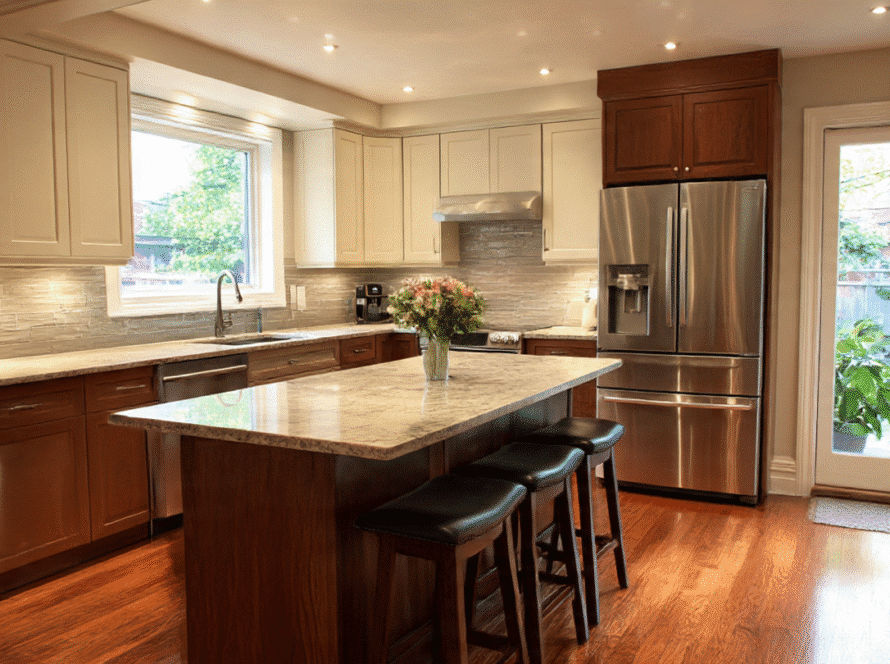
Task lighting is vital for illuminating work areas in the kitchen where precision is key. This type of lighting should be bright enough to ensure that you can see clearly while performing tasks such as chopping, mixing, or measuring ingredients. Under-cabinet lighting is one of the most popular forms of task lighting, as it provides direct illumination to countertops without casting shadows.
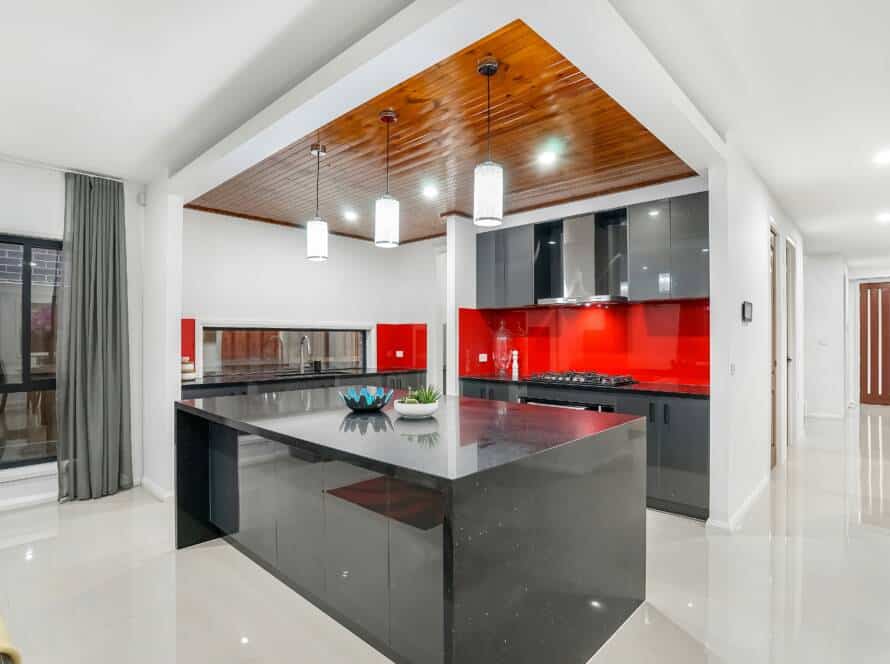
LED strip lights or puck lights installed beneath cabinets can effectively brighten these work surfaces, making meal preparation safer and more efficient. In addition to under-cabinet lighting, pendant lights above kitchen islands or dining areas can also serve as excellent task lighting. These fixtures not only provide focused illumination but also add a stylish element to your kitchen design.
When selecting task lighting, consider the height and placement of fixtures to ensure that they do not obstruct your line of sight while working. By strategically positioning task lighting throughout your kitchen, you can create a well-lit environment that enhances productivity and enjoyment during cooking.
Ambient Lighting: Creating a Warm and Inviting Atmosphere in Your Kitchen
Ambient lighting is essential for creating a warm and inviting atmosphere in your kitchen. This type of lighting serves as the foundation for your overall lighting scheme, providing general illumination that allows you to navigate the space comfortably. Recessed ceiling lights are a popular choice for ambient lighting, as they offer a clean and unobtrusive look while evenly distributing light throughout the room.
Additionally, chandeliers or flush-mount fixtures can add a touch of elegance and style to your kitchen while providing ample ambient light. To enhance the warmth of your kitchen’s ambiance, consider incorporating dimmer switches into your lighting design. Dimmers allow you to adjust the brightness of your ambient lighting according to the time of day or occasion, creating a cozy atmosphere for family dinners or gatherings with friends.
By carefully selecting ambient lighting fixtures and incorporating dimming options, you can create a versatile space that adapts to your needs while fostering a welcoming environment for all who enter.
Accent Lighting: Adding Style and Visual Interest to Your Kitchen Space
Accent lighting plays a crucial role in adding style and visual interest to your kitchen space. This type of lighting is designed to highlight specific features or elements within the room, such as artwork, decorative shelves, or architectural details. By drawing attention to these focal points, accent lighting can elevate the overall design of your kitchen and create a more dynamic visual experience.
There are various ways to incorporate accent lighting into your kitchen design. For instance, using track lighting or adjustable spotlights allows you to direct light onto specific areas or objects that you want to showcase. Additionally, backlighting glass cabinets or open shelving can create a stunning effect while illuminating your favorite dishware or decorative items.
By thoughtfully integrating accent lighting into your kitchen design, you can enhance its character and create an inviting atmosphere that reflects your personal style.
Choosing the Right Light Fixtures for Your Kitchen Lighting Plan
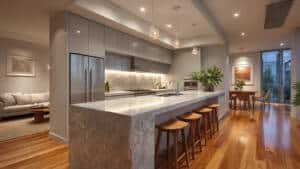
Selecting the right light fixtures is crucial for achieving an effective kitchen lighting plan. When choosing fixtures, consider factors such as style, size, and functionality to ensure they complement your overall design aesthetic while meeting your practical needs. For instance, if you have a modern kitchen with clean lines and minimalistic features, sleek pendant lights or geometric chandeliers may be ideal choices.
Conversely, if your kitchen has a more traditional feel, ornate fixtures with classic designs may be more appropriate. In addition to style considerations, it’s essential to evaluate the size of your light fixtures in relation to your kitchen’s dimensions. Oversized fixtures can overwhelm a small space, while tiny fixtures may get lost in larger kitchens.
Striking the right balance will help create a cohesive look throughout your kitchen. Furthermore, consider energy-efficient options such as LED bulbs when selecting fixtures; they not only reduce energy consumption but also have a longer lifespan compared to traditional incandescent bulbs.
Tips for Creating a Balanced and Functional Kitchen Lighting Scheme
Creating a balanced and functional kitchen lighting scheme requires careful planning and consideration of various factors. Start by assessing the layout of your kitchen and identifying key work areas that require adequate illumination. Once you’ve determined these areas, incorporate a mix of task, ambient, and accent lighting to ensure that every corner of your kitchen is well-lit.
Another important tip is to layer your lighting sources for added depth and dimension. Combining different types of fixtures—such as recessed lights for ambient illumination, pendant lights for task lighting over work surfaces, and accent lights for highlighting decorative elements—will create a more dynamic environment. Additionally, consider using dimmers on your light switches to allow for flexibility in brightness levels throughout different times of day or occasions.
Common Mistakes to Avoid When Planning Your Kitchen Lighting
When planning your kitchen lighting design, it’s essential to avoid common mistakes that can hinder both functionality and aesthetics. One frequent error is relying solely on overhead ceiling lights for illumination without incorporating task or accent lighting. This approach can lead to poorly lit work areas and an uninviting atmosphere.
Instead, ensure that you have a well-rounded mix of different types of lighting throughout your kitchen. Another mistake is neglecting to consider the color temperature of your light bulbs. Warmer tones (around 2700K-3000K) create a cozy ambiance suitable for family gatherings, while cooler tones (4000K-5000K) are better suited for task-oriented spaces where clarity is essential.
Choosing bulbs with an appropriate color temperature will enhance both functionality and comfort in your kitchen. In conclusion, effective kitchen lighting design is vital for creating a functional and inviting space where memories are made. By understanding the different types of lighting—task, ambient, and accent—and carefully selecting fixtures that complement your style while meeting practical needs, you can achieve a balanced scheme that enhances both aesthetics and functionality.
With over 20 years of experience in crafting beautiful environments at Skyon Group in Brisbane, we are dedicated to helping you realize your dream spaces where life thrives within every corner of your home.
FAQs
What is the difference between task, ambient, and accent lighting in a kitchen?
Task lighting is focused on providing bright, directed light to specific work areas such as the countertop, stove, or sink. Ambient lighting is more general and provides overall illumination for the entire kitchen. Accent lighting is used to highlight specific features or areas, such as artwork or architectural details.
Why is it important to have a well-planned lighting scheme in a kitchen?
A well-planned lighting scheme in a kitchen is important for creating a functional and comfortable space for cooking, dining, and entertaining. It can also enhance the overall design and aesthetics of the kitchen.
What are some common types of task lighting used in kitchens?
Common types of task lighting used in kitchens include under-cabinet lighting, pendant lights over the island or sink, and track lighting directed at specific work areas.
How can ambient lighting be incorporated into a kitchen?
Ambient lighting can be incorporated into a kitchen through the use of ceiling-mounted fixtures such as recessed lights, flush-mount fixtures, or chandeliers. It can also be achieved through natural light sources such as windows and skylights.
What are some examples of accent lighting in a kitchen?
Examples of accent lighting in a kitchen include LED strip lights above or below cabinets, wall sconces to highlight artwork or architectural features, and adjustable track lighting to spotlight specific areas.