Slip-Resistant Bathroom Tiles
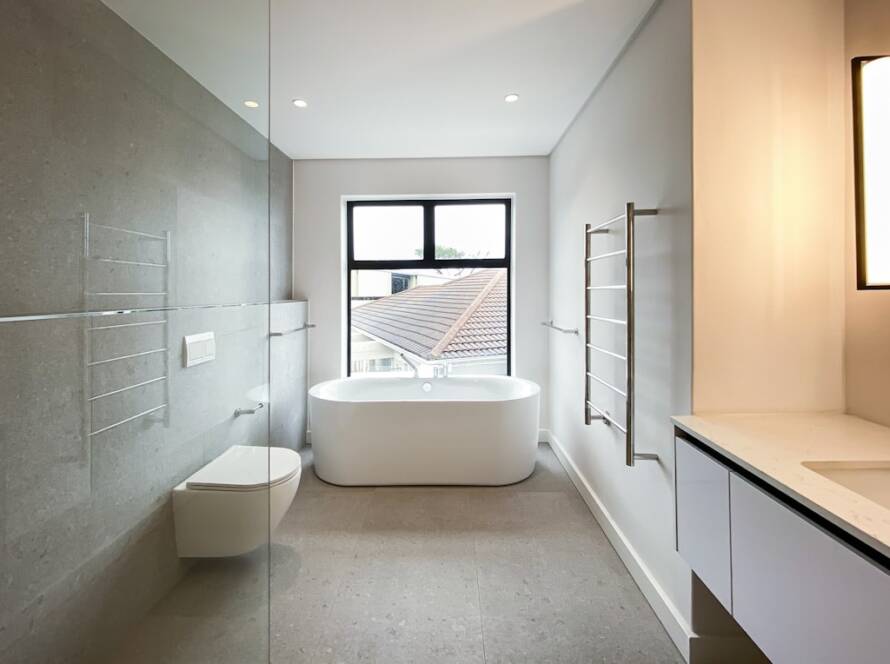
When it comes to designing a bathroom, safety should always be a top priority. One of the most critical aspects of bathroom safety is the flooring. Slip-resistant bathroom tiles play a vital role in preventing accidents, particularly in a space that is often exposed to water and moisture.
The combination of wet surfaces and foot traffic can create hazardous conditions, making it essential to choose tiles that provide adequate grip. By investing in slip-resistant tiles, homeowners can significantly reduce the risk of slips and falls, ensuring a safer environment for everyone, especially children and the elderly. Moreover, slip-resistant tiles are not just about safety; they also contribute to the overall aesthetic of the bathroom.
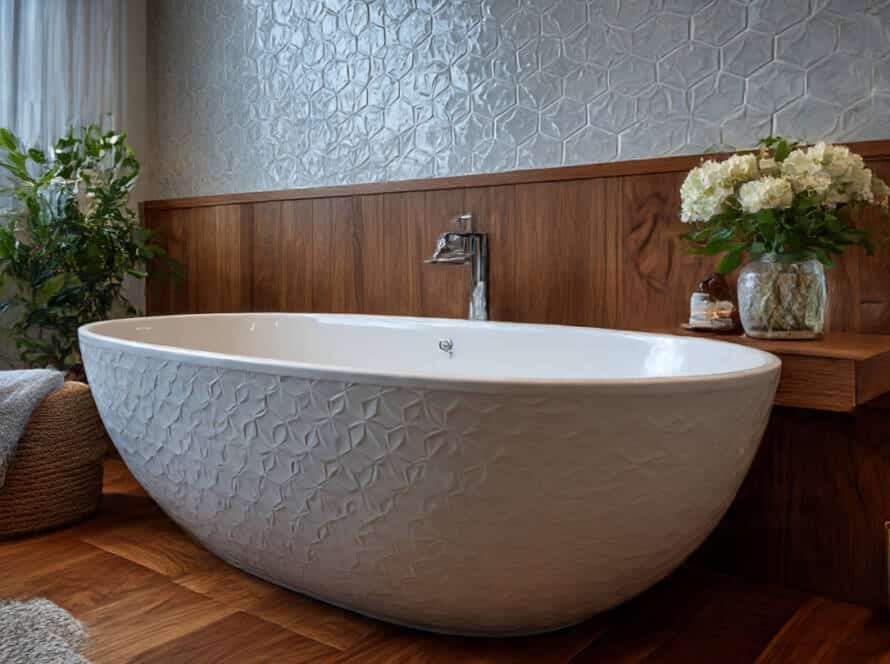
With a wide variety of designs, colors, and textures available, homeowners can find tiles that complement their style while still prioritizing safety. This dual functionality allows for a beautiful yet practical space where individuals can feel secure and comfortable. In essence, slip-resistant bathroom tiles are an essential component of any well-designed bathroom, merging safety with style seamlessly. Welcome Home with Skyon Group.
Key Takeaways
- Slip-resistant bathroom tiles are important for safety and preventing accidents, especially in wet areas like bathrooms.
- P-ratings for slip-resistant tiles indicate their level of slip resistance, with higher ratings offering better traction.
- The P-rating scale ranges from 0 to 5, with higher numbers indicating better slip resistance.
- Choosing the right P-rating for your bathroom depends on factors like foot traffic and the presence of water.
- In Queensland, there are legal requirements for using slip-resistant tiles in certain areas to prevent accidents and ensure safety.
What Are P-Ratings for Slip-Resistant Tiles?
P-ratings are a crucial aspect of understanding slip resistance in tiles. These ratings are determined through standardized testing methods that assess how well a tile can prevent slips when wet. The “P” in P-rating stands for “Pendulum,” which refers to the pendulum test used to measure the coefficient of friction on the tile surface.
This test simulates real-life conditions by measuring how easily a foot slides over the tile when wet, providing a reliable indication of its slip resistance. The P-rating system categorizes tiles based on their performance in these tests, allowing consumers to make informed decisions when selecting flooring for their bathrooms. Tiles with higher P-ratings indicate better slip resistance, making them more suitable for wet areas like bathrooms.
Understanding P-ratings is essential for homeowners who want to ensure their chosen tiles meet safety standards while also fitting their design preferences.
Understanding the P-Rating Scale
The P-rating scale typically ranges from P0 to P5, with each level indicating a different degree of slip resistance. P0 tiles are considered unsuitable for wet areas due to their low friction levels, while P5 tiles offer the highest level of slip resistance and are ideal for environments where water exposure is frequent. For instance, P1-rated tiles provide minimal slip resistance and are generally not recommended for bathrooms, while P2-rated tiles offer moderate resistance and may be suitable for low-risk areas.
As the ratings increase, so does the level of safety provided by the tiles. P3-rated tiles are often recommended for residential bathrooms, as they strike a balance between slip resistance and aesthetic appeal. P4 and P5-rated tiles are typically reserved for commercial spaces or areas with high foot traffic and water exposure, such as swimming pool surrounds or public restrooms.
Understanding this scale is essential for homeowners looking to create a safe and stylish bathroom environment.
Choosing the Right P-Rating for Your Bathroom
When selecting slip-resistant tiles for your bathroom, it is crucial to consider the specific needs of your household. For most residential bathrooms, a P3 rating is generally sufficient, providing adequate slip resistance without compromising on design options. However, if your bathroom will be used by young children or elderly individuals who may be more prone to slips and falls, opting for P4 or even P5-rated tiles may be a wise choice.
Additionally, consider the layout and usage of your bathroom when choosing the appropriate P-rating. For example, if your bathroom features a shower or bathtub where water splashes are common, selecting tiles with a higher P-rating will enhance safety. On the other hand, if you have a guest bathroom that sees less frequent use, you may opt for lower-rated tiles that still offer some level of slip resistance while aligning with your design vision.
The Legal Requirements for Slip-Resistant Tiles in Queensland
In Queensland, there are specific legal requirements regarding slip-resistant tiles in residential and commercial properties. The Building Code of Australia (BCA) outlines standards that must be adhered to when selecting materials for wet areas such as bathrooms. These regulations aim to ensure that all flooring materials provide adequate safety measures to prevent slips and falls.
Under these guidelines, it is essential for homeowners and builders to choose tiles that meet or exceed the minimum P-rating requirements set forth by the BCFailure to comply with these regulations can result in legal repercussions and increased liability in case of accidents. Therefore, it is crucial to stay informed about local building codes and ensure that your chosen slip-resistant tiles align with these standards.
The Benefits of Installing Slip-Resistant Tiles in Your Bathroom

The advantages of installing slip-resistant tiles in your bathroom extend beyond mere safety. One significant benefit is the peace of mind that comes with knowing you have taken proactive measures to protect your family and guests from potential accidents. This sense of security can enhance your overall enjoyment of the space, allowing you to relax and unwind without worrying about slips or falls.
Additionally, slip-resistant tiles can contribute to the longevity of your flooring. By reducing the likelihood of accidents that could lead to damage or injury, you may find that your investment in high-quality tiles pays off in the long run. Furthermore, many slip-resistant tiles are designed to be durable and easy to maintain, making them an excellent choice for busy households.
With proper care, these tiles can withstand daily wear and tear while maintaining their aesthetic appeal.
Maintenance and Cleaning of Slip-Resistant Tiles
While slip-resistant tiles are designed to provide safety in wet conditions, they still require regular maintenance to ensure their effectiveness and longevity. Cleaning these tiles involves using appropriate cleaning solutions that do not compromise their slip-resistant properties. It is essential to avoid harsh chemicals that could damage the tile surface or diminish its grip.
Routine cleaning should include sweeping or vacuuming to remove dirt and debris followed by mopping with a mild detergent solution. For stubborn stains or buildup, consider using a soft-bristle brush to gently scrub the affected area without scratching the tile surface. Additionally, it is crucial to address spills promptly to prevent water accumulation that could lead to slippery conditions.
Tips for Finding the Best Slip-Resistant Tiles for Your Bathroom
When searching for the best slip-resistant tiles for your bathroom, start by researching reputable suppliers who specialize in high-quality flooring materials. Look for manufacturers that provide clear information about their products’ P-ratings and testing methods. This transparency will help you make informed decisions based on safety standards.
Additionally, consider visiting showrooms where you can see and feel the tiles in person before making a purchase. Pay attention to texture and finish; some surfaces may offer better grip than others even if they have similar P-ratings. Finally, consult with professionals who can provide guidance on selecting the right tiles based on your specific needs and preferences.
In conclusion, choosing slip-resistant bathroom tiles is an essential aspect of creating a safe and stylish environment in your home. By understanding P-ratings, legal requirements, and maintenance practices, homeowners can make informed decisions that prioritize both safety and aesthetics. With over 20 years of experience in crafting beautiful spaces at Skyon Group in Brisbane, we believe that your home should reflect your unique lifestyle while ensuring comfort and security for all who enter it.
Welcome home with Skyon Group—where we turn your dream spaces into reality!
FAQs
What are slip-resistant bathroom tiles?
Slip-resistant bathroom tiles are specially designed tiles that have a textured surface to provide better traction and reduce the risk of slipping, especially in wet areas like bathrooms.
What are P-ratings for slip-resistant tiles?
P-ratings are a measure of the slip resistance of tiles, with higher P-ratings indicating better slip resistance. The P-rating system ranges from P0 (no slip resistance) to P5 (very high slip resistance).
Why are P-ratings important for Queensland homes?
In Queensland, where humidity and wet conditions are common, it is important to use slip-resistant tiles with high P-ratings to prevent accidents and injuries in the bathroom.
How can I identify slip-resistant tiles with high P-ratings?
Look for tiles that are specifically labeled as slip-resistant and check the P-rating, which should be clearly indicated on the product packaging or specifications.
Are there regulations or standards for slip-resistant tiles in Queensland?
Yes, in Queensland, the Building Code of Australia (BCA) and Australian Standards AS 4586 outline the requirements for slip resistance in various building applications, including bathrooms. It is important to ensure that tiles meet these standards.