



Renovating on a Live Site
Renovating a property while it is still occupied, often referred to as working on a “live site,” presents a unique set of challenges and opportunities. This approach allows homeowners to continue living in their spaces while improvements are made, but it also requires careful planning and execution to ensure that the renovation process is as smooth and unobtrusive as possible. The key to a successful live site renovation lies in understanding the dynamics of the space, the needs of the occupants, and the intricacies of the construction process itself.
When embarking on a renovation project in an occupied home, it is essential to recognize that the environment is not just a construction site; it is a living space filled with personal belongings, memories, and daily routines. This understanding shapes the approach to the renovation, emphasizing the importance of minimizing disruption and maintaining a sense of normalcy for the occupants. By prioritizing communication, safety, and cleanliness, contractors can create a harmonious balance between construction activities and the everyday lives of those who reside in the home. With over 20 years of experience, we bring expertise, passion, and care to every project we undertake.
Key Takeaways
- Renovating on a live site requires careful planning and consideration for the safety and comfort of occupants.
- Dust control is crucial during renovations to minimize the impact on air quality and the health of occupants.
- Safety measures must be implemented to ensure the well-being of workers and occupants during renovations.
- Setting up temporary workspaces and facilities is essential for a smooth renovation process without disrupting daily activities.
- Effective communication with occupants is key to keeping them informed and minimizing disruption during renovations.
Dust Control: Managing and Minimizing Dust During Renovations
One of the most significant challenges during any renovation project is managing dust. Dust can be an inevitable byproduct of construction work, but its impact can be mitigated through effective dust control measures. The presence of dust not only affects the cleanliness of the home but can also pose health risks to occupants, particularly those with respiratory issues or allergies.
Therefore, implementing strategies to minimize dust is crucial for maintaining a safe and comfortable living environment. To effectively manage dust during renovations, contractors can employ various techniques such as sealing off work areas with plastic sheeting, using air scrubbers to filter out airborne particles, and employing vacuum systems equipped with HEPA filters. Additionally, scheduling particularly dusty tasks during times when occupants are away from home can further reduce exposure.
By taking these proactive steps, contractors can significantly limit the spread of dust throughout the living space, ensuring that the home remains as clean and livable as possible.
Safety Measures: Ensuring the Safety of Workers and Occupants During Renovations
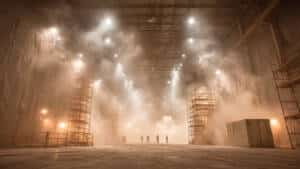
Safety is paramount in any construction project, but it takes on an added layer of complexity when renovations occur in occupied homes. Both workers and occupants must be protected from potential hazards associated with construction activities. This requires a comprehensive safety plan that addresses risks specific to live site renovations, including falls, electrical hazards, and exposure to hazardous materials.
To ensure safety during renovations, contractors should conduct thorough risk assessments before commencing work. This includes identifying potential hazards and implementing appropriate safety measures such as using personal protective equipment (PPE), establishing clear pathways for movement around the site, and ensuring that all tools and materials are stored safely. Additionally, educating occupants about safety protocols can empower them to take precautions while navigating their home during renovations. By fostering a culture of safety, contractors can create an environment where both workers and residents feel secure.
Temporary Facilities: Setting Up Temporary Workspaces and Facilities for Renovation Projects
When renovating on a live site, it is often necessary to establish temporary facilities to accommodate both construction activities and the needs of the occupants. These facilities can include designated work areas for contractors, temporary kitchens or bathrooms for residents, and storage solutions for personal belongings that may be affected by the renovation process. Properly setting up these temporary facilities can significantly enhance the efficiency of the project while minimizing disruption to daily life.
Creating a temporary workspace for contractors allows them to operate more effectively without encroaching on the living areas of the home. This might involve setting up a designated area for tools and materials outside or in an unused room. For occupants, providing access to temporary facilities such as portable toilets or makeshift kitchens can help maintain their comfort during the renovation process.
By thoughtfully planning these temporary arrangements, contractors can ensure that both their team and the residents have what they need to navigate the renovation smoothly.
Communication: Keeping Occupants Informed and Minimizing Disruption During Renovations
Effective communication is essential when renovating on a live site. Keeping occupants informed about the progress of the project, potential disruptions, and timelines can help alleviate anxiety and foster a collaborative atmosphere between contractors and residents. Regular updates can also provide clarity on what to expect during different phases of the renovation, allowing occupants to plan accordingly.
Establishing clear lines of communication from the outset is crucial. This might involve setting up regular meetings or check-ins with residents to discuss progress and address any concerns they may have. Additionally, providing written schedules or updates can help keep everyone on the same page.
By prioritizing communication throughout the renovation process, contractors can build trust with occupants and minimize disruptions to their daily routines.
Cleaning and Maintenance: Maintaining Cleanliness and Orderliness During Renovations

Maintaining cleanliness during renovations is vital for both aesthetic reasons and health considerations. A clean worksite not only enhances productivity but also reduces the risk of accidents and health hazards associated with dust and debris. Implementing a robust cleaning protocol can help ensure that both workers and residents feel comfortable in their environment throughout the renovation process.
Contractors should establish a routine for cleaning up after each workday, which may include sweeping floors, removing debris, and ensuring that tools are stored safely. Additionally, providing occupants with guidelines on how they can help maintain cleanliness—such as keeping certain areas clear or using designated entrances—can foster a sense of shared responsibility. By prioritizing cleanliness and orderliness, contractors can create a more pleasant living environment for residents while also promoting safety on-site.
Environmental Considerations: Minimizing Impact on the Surrounding Environment During Renovations
In today’s world, environmental considerations are more important than ever, even during renovation projects in occupied homes. Contractors must be mindful of their impact on the surrounding environment and take steps to minimize any negative effects associated with construction activities. This includes managing waste responsibly, using eco-friendly materials, and implementing sustainable practices wherever possible.
One effective strategy for minimizing environmental impact is to recycle materials whenever feasible. This might involve salvaging old fixtures or materials for reuse rather than sending them to landfills. Additionally, selecting sustainable building materials that have low environmental footprints can contribute to greener renovations.
By adopting environmentally conscious practices, contractors not only enhance their reputation but also contribute positively to their communities.
Successfully Renovating on a Live Site
Successfully renovating on a live site requires careful planning, effective communication, and a commitment to safety and cleanliness. By addressing challenges such as dust control, safety measures, temporary facilities, communication strategies, cleaning protocols, and environmental considerations, contractors can create a seamless renovation experience for occupants while enhancing their living spaces. At Skyon Group, we understand that your home is more than just four walls; it’s where your life unfolds and memories are made.
With over 20 years of experience in crafting beautiful and functional environments in Brisbane, we are dedicated to making your dream spaces a reality—whether it’s transforming your kitchen into a family gathering place or undertaking a complete house renovation. Our expertise ensures that we approach every project with passion and care while prioritizing your comfort throughout the process. For more information about our services or to start your renovation journey with us, visit Skyon Group.
When undertaking a renovation on a live site, such as a bathroom, it’s crucial to consider dust control, safety, and the provision of temporary facilities to ensure minimal disruption and maintain a safe environment. For those looking to upgrade their bathrooms while managing these challenges, the article on affordable bathroom upgrades in Brisbane offers valuable insights. It provides practical tips and solutions for homeowners seeking to enhance their bathroom spaces without compromising on safety and cleanliness during the renovation process.

