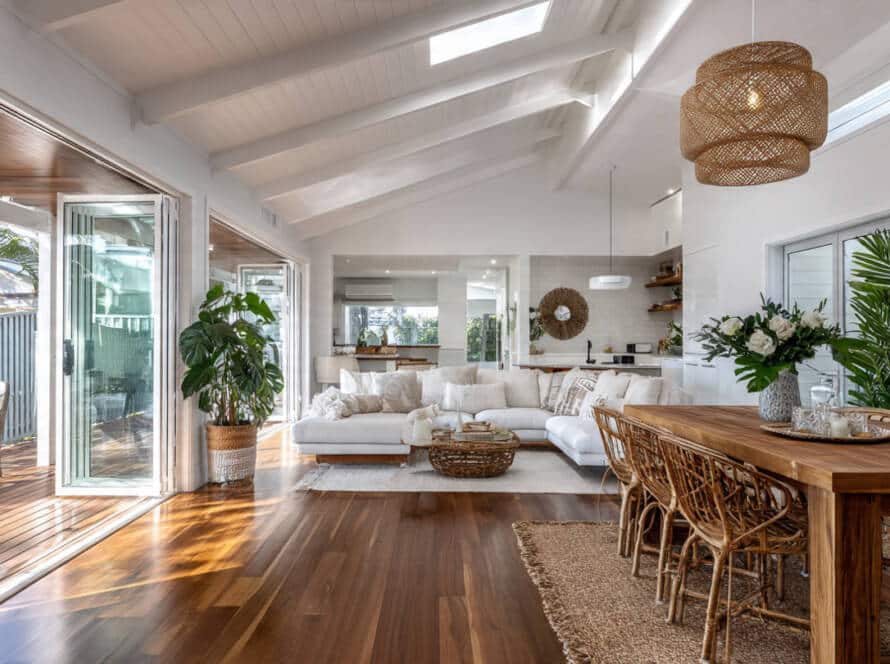
Renovation Strategies for Living or Selling
When embarking on a home renovation journey, the first step is to thoroughly assess the property’s potential. This involves not only evaluating the current state of the home but also envisioning how it can be transformed to meet your needs and desires. A comprehensive assessment includes examining structural elements, such as the foundation, roof, and walls, as well as the layout and flow of the space.
Identifying any existing issues, such as plumbing or electrical problems, is crucial, as these can significantly impact the renovation process and budget. Additionally, it’s essential to consider the neighborhood and surrounding properties. Understanding what makes your home unique in comparison to others in the area can help you determine which renovations will add the most value.
For instance, if homes in your neighborhood typically feature open-concept layouts, it may be worth considering a similar design for your own space. By taking a holistic approach to assessing your property’s potential, you can create a solid foundation for your renovation plans.
Key Takeaways
- Evaluate the property’s condition and potential before planning renovations.
- Establish a clear budget to guide renovation decisions and avoid overspending.
- Prioritize renovation projects that add the most value and appeal to buyers.
- Collaborate with reliable local contractors and suppliers for quality work and materials.
- Incorporate sustainable features and timeless design to enhance marketability and ROI.
Setting a Budget for Renovation
Once you have a clear understanding of your property’s potential, the next step is to set a realistic budget for your renovation project. Establishing a budget is crucial, as it will guide your decisions throughout the renovation process. Begin by determining how much you can afford to spend without compromising your financial stability.
It’s wise to include a contingency fund of at least 10-20% of your total budget to account for unexpected expenses that may arise during the renovation. In addition to direct costs such as materials and labor, consider other expenses that may impact your budget. These can include permits, inspections, and potential temporary housing if extensive renovations are required.
By carefully outlining all potential costs and sticking to your budget, you can ensure that your renovation project remains financially viable while still achieving your desired results. Explore our expert Home Renovations to transform your living space by visiting Home Renovations.
Choosing the Right Renovation Projects

With a budget in place, it’s time to choose the right renovation projects that align with your goals and enhance your home’s value. Prioritizing projects based on necessity and potential return on investment is essential. For example, kitchen and bathroom remodels often yield high returns, making them popular choices for homeowners looking to increase their property value.
On the other hand, cosmetic updates such as fresh paint or new flooring can also make a significant impact without breaking the bank. Consider your lifestyle and how you use your space when selecting renovation projects. If you frequently entertain guests, an open-concept kitchen and living area may be a worthwhile investment.
Alternatively, if you have a growing family, adding an extra bedroom or bathroom could be more beneficial. By aligning your renovation choices with both personal preferences and market trends, you can create a home that is both functional and appealing.
Working with Local Contractors and Suppliers
Finding the right local contractors and suppliers is a critical step in ensuring the success of your renovation project. Start by researching reputable professionals in your area who have experience with the type of renovations you are planning. Reading reviews and asking for recommendations from friends or family can help you narrow down your options.
Once you have a shortlist of potential contractors, schedule interviews to discuss your project in detail and gauge their expertise. Establishing clear communication with your chosen contractors is vital for a smooth renovation process. Be transparent about your budget, timeline, and expectations from the outset.
A good contractor will provide valuable insights and suggestions based on their experience while also respecting your vision for the project. Additionally, working with local suppliers can help you source materials that are not only high-quality but also suited to the regional climate and aesthetic preferences.
Maximizing Space and Functionality
One of the primary goals of any home renovation is to maximize space and functionality. This is especially important in smaller homes where every square foot counts. Consider innovative design solutions such as built-in storage, multi-functional furniture, or open shelving to create a more efficient use of space.
Additionally, reconfiguring layouts can significantly enhance flow and accessibility within your home. Incorporating smart home technology can also improve functionality while adding modern conveniences. Features such as programmable thermostats, smart lighting systems, and automated window treatments can make daily living more efficient and enjoyable.
By focusing on maximizing space and functionality during your renovation, you can create a home that not only looks great but also meets the practical needs of your lifestyle.
Incorporating Sustainable and Energy-Efficient Features

As environmental awareness continues to grow, incorporating sustainable and energy-efficient features into your home renovation has become increasingly important. Not only do these features benefit the planet, but they can also lead to significant cost savings over time. Start by considering energy-efficient appliances that consume less power while still delivering high performance.
Additionally, upgrading insulation and windows can help regulate indoor temperatures and reduce energy consumption. Solar panels are another excellent option for homeowners looking to embrace sustainability. While the initial investment may be substantial, the long-term savings on energy bills can make it worthwhile.
Furthermore, many local governments offer incentives or rebates for homeowners who invest in renewable energy solutions. By prioritizing sustainability in your renovation plans, you can create a home that is both environmentally friendly and economically advantageous.
Enhancing Curb Appeal and Outdoor Living Spaces
The exterior of your home plays a significant role in its overall appeal and value. Enhancing curb appeal should be a key consideration during any renovation project. Simple updates such as fresh landscaping, new siding or paint, and updated lighting fixtures can make a substantial difference in how your home is perceived from the street.
Additionally, consider adding architectural features like shutters or decorative trim to give your home character. Outdoor living spaces have become increasingly popular among homeowners seeking to extend their living areas beyond four walls. Creating an inviting outdoor space with features such as patios, decks, or outdoor kitchens can enhance both functionality and enjoyment of your property.
These spaces not only provide additional room for entertaining but also increase the overall value of your home by appealing to potential buyers who prioritize outdoor living.
Selecting Timeless and Market-Desirable Design Elements
When renovating your home, it’s essential to select design elements that are both timeless and market-desirable. Trends come and go, but classic styles tend to stand the test of time and appeal to a broader audience when it comes time to sell. Neutral color palettes, quality materials like hardwood flooring or granite countertops, and traditional architectural details are all examples of design choices that remain appealing over time.
Incorporating elements that reflect current market preferences can also enhance your home’s desirability without sacrificing timelessness. For instance, open floor plans are highly sought after by modern buyers, while features like energy-efficient windows or smart home technology are increasingly important in today’s market. By striking a balance between timeless design and contemporary trends, you can create a space that feels both current and enduring.
Staging and Styling for Selling
Once renovations are complete, staging and styling your home for sale is crucial in attracting potential buyers. A well-staged home allows buyers to envision themselves living in the space while highlighting its best features. Start by decluttering each room to create an open and inviting atmosphere.
Consider hiring a professional stager who understands how to showcase your home’s strengths while minimizing any weaknesses. In addition to decluttering, pay attention to details such as lighting and decor. Fresh flowers or plants can add life to a space, while strategically placed mirrors can create an illusion of more space.
Neutral colors in decor allow buyers to imagine their own style within the home rather than being distracted by overly personalized decor choices. By investing time in staging and styling, you can significantly increase your chances of selling quickly and at a desirable price.
Understanding the Local Real Estate Market
A thorough understanding of the local real estate market is essential when planning renovations with resale in mind. Research recent sales in your neighborhood to identify trends in pricing and buyer preferences. This information will help you make informed decisions about which renovations will yield the best return on investment while ensuring that you remain competitive within the market.
Additionally, consider consulting with a local real estate agent who has experience in your area. They can provide valuable insights into what buyers are currently looking for and how specific renovations may impact your home’s value. By staying informed about local market conditions, you can tailor your renovation plans to align with buyer expectations while maximizing your investment.
Evaluating Return on Investment (ROI)
Finally, evaluating return on investment (ROI) is crucial when planning renovations for resale purposes. Not all renovations yield equal returns; therefore, it’s essential to prioritize projects that are known for their high ROI potential. Kitchen remodels typically offer some of the highest returns, followed closely by bathroom renovations and curb appeal enhancements.
To accurately assess ROI, consider both immediate financial returns as well as long-term benefits such as increased comfort or energy savings from sustainable upgrades. By carefully evaluating which renovations will provide the best return on investment, you can make strategic decisions that enhance both your living experience and future resale value. In conclusion, embarking on a home renovation journey requires careful planning and consideration at every stage—from assessing property potential to evaluating ROI after completion.
By following these steps diligently, homeowners can create spaces that not only reflect their personal style but also stand out in today’s competitive real estate market. At Skyon Group, we specialise in Home Renovation Services that redefine your home, combining functionality with flawless design—ensuring that every project we undertake brings our clients’ visions to life seamlessly.
If you’re looking to enhance the value of your South Brisbane property through renovation, it’s essential to be aware of renovation strategies and common pitfalls that can arise during the process. For insights on what to avoid, check out this informative article on top mistakes to avoid during home renovation. Understanding these mistakes can help you make more informed decisions, ensuring that your renovation efforts lead to a successful outcome, whether you’re living in the property or preparing it for sale.