Bathroom Redesign Brisbane: Solving Layout Problems for a Flawless Flow

The bathroom, a critical functional space within any dwelling, often presents unique design challenges, particularly concerning its layout. In Brisbane, where diverse architectural styles and housing typologies exist, effective bathroom redesign involves not only aesthetic considerations but also a pragmatic approach to spatial optimization. This article explores strategies for addressing common layout problems in Brisbane bathroom redesigns, focusing on achieving a “flawless flow” within the constraints of existing structures or new constructions.
At Skyon Group, we believe renovations are more than just upgrades—they’re an opportunity to transform your space into a reflection of who you are. Every detail tells a story, and we’re here to help you create one that feels uniquely yours. For expert craftsmanship and quality, we specialise in Home Renovation Services that transform your living space.
Based in Brisbane, we bring over 20 years of experience to the art of renovation. From kitchens and bathrooms to entire home transformations, our team is committed to delivering results that inspire. We work closely with you to ensure every aspect of your renovation not only meets but exceeds your expectations.
Before embarking on any redesign, a comprehensive assessment of the current bathroom layout is imperative. This initial phase functions as a diagnostic investigation, identifying the root causes of any functional or aesthetic deficiencies. Neglecting this step can lead to perpetuating existing problems or introducing new complications.

Identifying Functional Bottlenecks
Functional bottlenecks within a bathroom manifest as obstructions to efficient movement and use. This might include a toilet positioned directly opposite the entry door, creating an immediate visual and physical barrier, or a shower enclosure that impedes access to the vanity. For homeowners in Brisbane, particularly those in older properties, constricted pathways or overlapping fixture clearances are common issues. We encourage you to observe how you interact with your current bathroom. Do you frequently bump into objects? Is there a sense of claustrophobia when multiple people are using the space? These observations provide valuable initial data.
Evaluating Spatial Proportions and Scale
The proportions of a bathroom, in relation to the size and placement of its fixtures, significantly influence its perceived spaciousness and functionality. A large bathroom with awkwardly small fixtures can feel stark and uninviting, while a small bathroom with oversized elements becomes cramped and impractical. In Brisbane’s diverse housing landscape, from compact inner-city apartments to sprawling suburban homes, understanding these proportions is crucial. Consider the “golden ratio” of design, where elements are in harmonious balance, preventing any single feature from dominating or being overshadowed.
Understanding Plumbing and Drainage Locations
The existing plumbing and drainage infrastructure represent significant constraints in any bathroom redesign. Altering these systems can be costly and time-consuming, requiring skilled tradespeople and adherence to Brisbane’s plumbing regulations. A thorough understanding of pipe locations for water supply and waste removal allows for informed decisions regarding fixture placement. While minor adjustments are often feasible, substantial relocations can significantly impact the budget and timeline. This is where a detailed investigation of wall cavities and floor structures becomes essential.
Analyzing Light and Ventilation Sources
Natural light and effective ventilation are fundamental to a healthy and comfortable bathroom environment. Poor lighting can make a space feel confined and unwelcoming, while inadequate ventilation can lead to issues with moisture, mold, and unpleasant odors. In Brisbane’s subtropical climate, ensuring ample airflow and managing humidity are particularly important. Evaluate the position and size of windows, if any, and the effectiveness of existing exhaust fans. Consider how natural light enters the space throughout the day and identify any areas that remain persistently dark.
If you’re considering a bathroom redesign in Brisbane and are facing layout challenges, you may find valuable insights in a related article that discusses residential renovations on Brisbane’s Northside. This resource offers practical tips and inspiration for creating a space that not only looks great but also functions seamlessly. To explore more about effective renovation strategies, check out the article here: Residential Renovations on Brisbane Northside.

Strategic Solutions for Common Layout Problems
Addressing layout problems requires a strategic approach, often balancing ideal design principles with practical limitations. The following strategies offer actionable solutions for common issues encountered in Brisbane bathroom redesigns.
Optimizing Small Bathroom Layouts
Small bathrooms are prevalent in many Brisbane properties, and maximizing their functionality and perceived space is a recurring challenge.
Utilizing Vertical Space
In a small bathroom, every surface can be leveraged. Floating shelves, recessed wall niches, and tall, slender storage units draw the eye upwards, creating an illusion of height and providing valuable storage without encroaching on floor space. Consider vertical towel rails or stacked laundry hampers instead of sprawling floor-level options.
Incorporating Space-Saving Fixtures
The selection of fixtures is paramount in a compact bathroom. Wall-mounted toilets and vanities free up floor space, making the room feel larger and easier to clean. Corner sinks and smaller shower trays (e.g., quadrant or neo-angle designs) can fit into tighter footprints. Sliding or pocket doors, as opposed to traditional swing doors, eliminate the need for clearance space, further enhancing the flow.
Strategic Mirror Placement
Mirrors are powerful tools for spatial manipulation. A large mirror extending across an entire wall or a combination of strategically placed mirrors can reflect light and create the illusion of depth, effectively doubling the perceived size of the room. This technique, when used judiciously, can transform a cramped space into one that feels open and airy.

Light Colours and Minimalist Design
Lighter colour palettes on walls, floors, and fixtures reflect light, contributing to a brighter, more expansive feel. A minimalist design approach, characterized by clean lines and an absence of clutter, prevents the space from feeling overwhelmed. This “less is more” philosophy is particularly effective in smaller bathrooms, promoting a calm and uncluttered atmosphere.
Enhancing Flow in Awkwardly Shaped Bathrooms
Irregularly shaped bathrooms, with their nooks, angles, and truncated walls, present unique puzzles that demand creative solutions.
Creating Zones and Defined Areas
For awkwardly shaped bathrooms, defining distinct zones for different functions can bring order to chaos. A strategically placed half-wall or a change in flooring material can delineate the shower area from the vanity, even if the overall shape is irregular. This “room within a room” concept creates a sense of purpose for each section.
Custom Joinery and Built-in Elements
Custom joinery is an invaluable asset in an irregularly shaped bathroom. Built-in storage units, vanities designed to fit specific angles, or recessed medicine cabinets can utilize otherwise unusable space, transforming awkward corners into functional assets. This bespoke approach ensures every inch is optimized.
Angled or Curved Fixtures
Sometimes, the solution to an awkward angle is to embrace it. Angled vanity units or curved shower screens can soften sharp corners and create a more organic flow. These non-standard fixtures, while sometimes requiring custom fabrication, can be transformative in creating a more harmonious space.

Strategic Lighting to Guide the Eye
Lighting can be used as a design element to guide the eye and create visual pathways. Cove lighting along an irregular wall, or spotlights highlighting specific features, can draw attention away from awkward angles and towards more pleasing aspects of the design. This creates a psychological “flow” even where physical flow is constrained.
Addressing Insufficient Storage
A lack of adequate storage is a pervasive problem that can quickly lead to clutter and functional inefficiency in any bathroom.
Integrated Vanity Storage
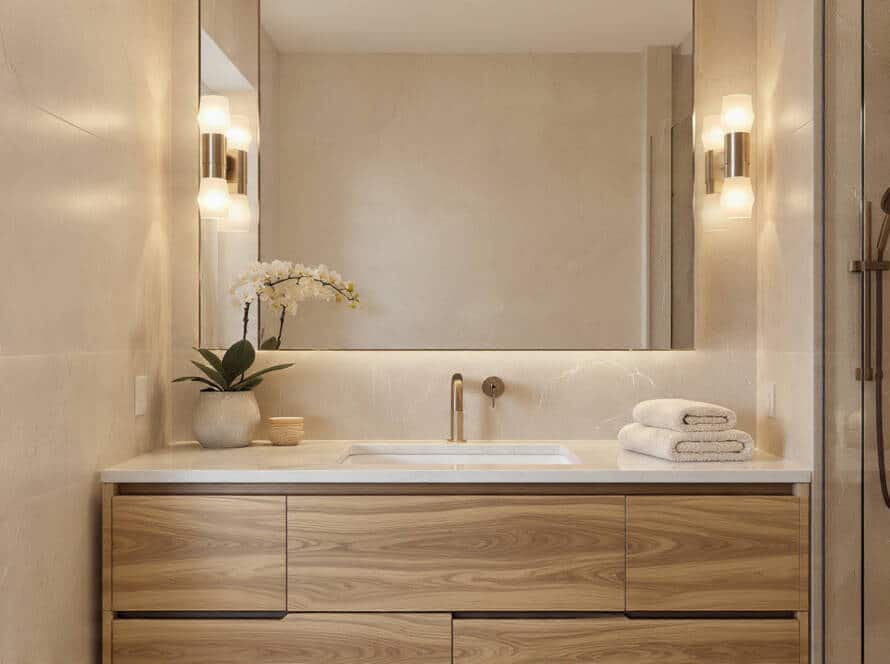
The vanity is often the largest piece of furniture in a bathroom and offers significant storage potential. Drawers, pull-out shelves, and integrated organizers within the vanity base can accommodate a wide array of toiletries, towels, and cleaning supplies, keeping surfaces clear.
Recessed Medicine Cabinets and Wall Niches
Recessed medicine cabinets, built directly into the wall cavity, offer discreet storage without protruding into the main space. Similarly, wall niches within the shower or above the bathtub provide convenient storage for soaps and shampoos, eliminating the need for cumbersome caddies.
Open Shelving and Decorative Storage
While not suitable for all items, strategically placed open shelving can offer accessible storage for frequently used items or decorative elements. Attractive baskets or containers can house smaller items, maintaining an organized and aesthetically pleasing display. This also allows for the personalization of the space.
Utilising the Space Above the Toilet
The area above the toilet is often underutilized. Floating shelves, built-in cabinets, or a tall, slender wall unit can provide significant additional storage without impeding movement. This vertical approach is particularly effective in smaller bathrooms.
Enhancing User Experience and Accessibility

Beyond mere functionality, a well-designed bathroom prioritises the user experience, ensuring comfort, safety, and accessibility for all individuals. This is particularly relevant in Brisbane where multi-generational living is increasingly common.
Universal Design Principles
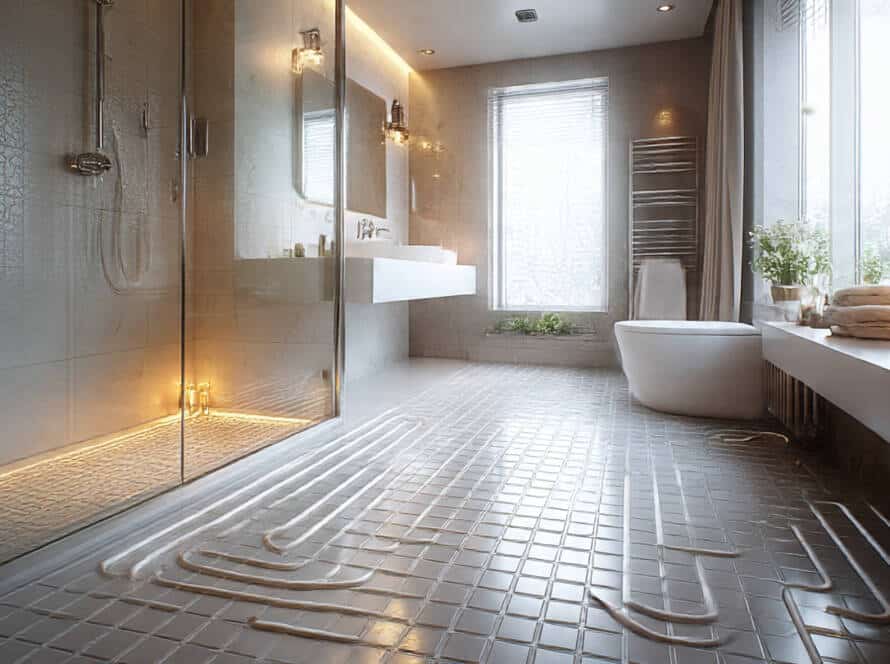
Incorporating universal design principles ensures the bathroom is accessible and usable by people of all ages and abilities. This includes wider doorways, curbless showers for easy entry, grab bars that blend seamlessly with the aesthetic, and toilets at a comfortable height. Considering these elements during the design phase is far more cost-effective than attempting to retrofit them later.
Lighting Design for Mood and Functionality
Lighting plays a dual role in the bathroom: providing functional illumination for tasks like shaving or applying makeup, and creating a desired ambiance. A layered lighting approach, combining ambient (general room lighting), task (vanity lights, shower lights), and accent lighting (e.g., cove lighting or toe-kick lighting), allows for flexibility and control over the mood of the space. Dimmable switches further enhance this versatility.
Incorporating Smart Technology
Modern bathroom redesigns increasingly integrate smart technology for enhanced convenience and efficiency. Motion-sensor lighting, temperature-controlled shower systems, smart mirrors with integrated displays, and automated ventilation systems can all contribute to a more sophisticated and user-friendly bathroom experience. In Brisbane, where energy efficiency is a growing concern, smart technology can also help monitor and reduce water and electricity consumption.
Material Selection for Durability and Aesthetics
The choice of materials profoundly impacts both the aesthetics and longevity of a bathroom. In a high-moisture environment like a bathroom, durability and water resistance are paramount. Tiles, stone, engineered quartz, and moisture-resistant paint are common choices. Beyond practicality, material selection allows for the expression of personal style, contributing to the “reflection of who you are” that Skyon Group aims to facilitate. Consider the tactile qualities and visual textures of different materials, and how they contribute to the overall sensory experience of the space.
The Renovation Process: From Concept to Completion

A successful bathroom redesign in Brisbane is a collaborative journey that moves from initial conceptualisation through detailed planning and meticulous execution.
Initial Consultation and Concept Development
This foundational stage involves an in-depth discussion between you and the design team. Here, your needs, preferences, budget, and desired aesthetic are explored. This stage is akin to sketching the first draft of your future bathroom, where broad strokes of ideas are laid out. Existing layout problems are explicitly identified, and preliminary solutions are discussed.
Design and Space Planning
Leveraging the insights from the consultation, the design team develops detailed plans, including floor layouts, elevations, and 3D renderings where appropriate. This phase translates conceptual ideas into a concrete blueprint. Various layout options are presented, demonstrating how functional bottlenecks can be resolved and how flow can be optimized. Material selections are finalised, and a comprehensive scope of work is developed. This is where the pragmatic solutions for space optimization start to take definitive shape.
Selection of Fixtures and Finishes
With the layout confirmed, attention turns to the specific fixtures and finishes that will define the bathroom’s character. This includes selecting toilets, vanities, faucets, shower systems, tiles, lighting fixtures, and paint colours. Each choice contributes to the overall aesthetic and functionality, aligning with the design vision established in earlier stages. Consideration is given to both aesthetic appeal and practical performance in Brisbane’s climate.

Construction and Installation
This is the execution phase where the redesign moves from paper to reality. Licensed and experienced tradespeople perform demolition, plumbing modifications, electrical work, tiling, and fixture installation. Regular communication between the project manager and the client ensures transparency and addresses any unforeseen challenges promptly. Adherence to safety standards and local building codes is paramount during this stage, ensuring a high-quality and compliant outcome.
Final Walkthrough and Handover
Upon completion of the construction, a thorough final walkthrough is conducted. This opportunity allows you to inspect every detail, ensuring the renovation meets the agreed-upon standards and exceeds expectations. Any minor adjustments or touch-ups are addressed, leading to the final handover of your transformed bathroom. This is the moment where the journey culminates in a functional, aesthetically pleasing space, designed to enhance your daily life.
Bathroom redesign in Brisbane is a nuanced process that extends beyond superficial aesthetic updates. It is a strategic endeavour to resolve intrinsic layout problems, thereby improving functionality, enhancing user experience, and creating a space that truly reflects personal style and needs. By systematically assessing existing conditions, employing smart design strategies, and partnering with experienced professionals, a “flawless flow” within a bathroom is an achievable and highly rewarding outcome.