Brisbane Apartment Renovation: Body Corporate Approval Guide

You’ve got big plans for your Brisbane CBD or inner-suburb apartment. New kitchen, updated bathroom, maybe even combining rooms or adding some built-ins. Then you remember—you’re in an apartment building with a body corporate. Suddenly your straightforward renovation feels complicated with approval processes, building rules, and restrictions you’re not even sure about.
Body corporate approval for apartment renovations doesn’t have to be the nightmare you’re imagining. Understanding the process, knowing what’s required, and approaching it strategically makes all the difference between smooth approvals and frustrating delays.
Understanding Body Corporate Authority
Body corporate (also called owners corporation or strata) exists to manage shared property and maintain building standards. They have legitimate authority over renovations because your work can impact building structure, systems, other residents, and property values.
The body corporate operates under regulations defined in Queensland’s Body Corporate and Community Management Act. Your building’s by-laws then provide specific rules about renovations, noise restrictions, access requirements, and approval processes.
Most body corporates don’t want to prevent reasonable renovations—they want to ensure work is done safely, professionally, and doesn’t negatively impact the building or other residents. Approaching approvals with this understanding rather than an adversarial mindset leads to better outcomes.
What Requires Approval
Generally, any renovation beyond basic cosmetic updates requires body corporate approval. This includes structural changes, plumbing modifications, electrical upgrades beyond simple fixture replacements, flooring changes, and any work affecting common property.
Painting walls and replacing light fixtures typically don’t require approval. Installing new carpet over existing flooring usually doesn’t either. But once you’re changing layouts, moving plumbing, or doing anything structural, you need approval.
Kitchen and bathroom renovations almost always require approval because they involve plumbing, electrical work, and often structural changes. Even if you’re keeping the same layout, the work impacts building systems and creates noise and disruption requiring body corporate oversight.
Flooring changes from carpet to hard surfaces (timber, tile, vinyl) typically require approval because they affect acoustic performance between levels. Body corporates are concerned about noise transmission to apartments below.
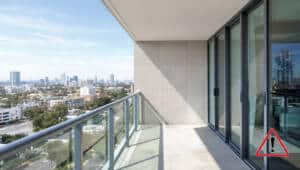
Balcony modifications, window replacements, and anything affecting the building’s exterior always require approval because these impact the building’s appearance and common property.
Preparing Your Application
A well-prepared application gets approved faster with fewer questions and complications. Professional renovation teams experienced with body corporate processes know exactly what documentation is needed.
Detailed renovation plans are essential. These should show current layout and proposed changes, with clear dimensions and specifications. Hand-drawn sketches won’t cut it—you need professional architectural or design drawings.
Scope of works documents list every aspect of your renovation in detail. This includes structural modifications, plumbing changes, electrical work, materials specifications, and finishes. Body corporates need to understand exactly what you’re proposing.
Engineering reports or certifications may be required for structural changes. If you’re removing or modifying walls, installing heavy items, or making changes that could affect building structure, a structural engineer’s certification is typically necessary.
Contractor licensing and insurance documentation proves your renovation will be completed by qualified professionals with appropriate insurance coverage. Body corporates need assurance that contractors are legitimate and properly insured for liability and workers compensation.
Acoustic reports are often required for flooring changes. If you’re replacing carpet with hard flooring, you’ll need to demonstrate that sound insulation meets building requirements. This might involve underlayment specifications or acoustic testing documentation.
Timeline Expectations

Body corporate approvals take time—usually 4-8 weeks minimum, potentially longer for complex renovations or in larger buildings with more bureaucratic processes. Building this timeline into your planning prevents frustration.
Most body corporates meet monthly, which means your application needs to be submitted well before their meeting date to be included on the agenda. Missing a meeting deadline can add a full month to your approval timeline.
The body corporate committee reviews applications, but they might request additional information, seek clarifications, or require modifications to your proposal. Each round of questions adds time to the process, which is why comprehensive initial applications matter.
Some buildings have building managers or strata managers who can provide preliminary guidance about whether proposals are likely to be approved. Consulting with them before submitting formal applications can prevent wasted time on proposals that won’t be approved.
Common Approval Conditions
Body corporates typically approve renovations with conditions designed to protect the building and other residents. Understanding common conditions helps you plan accordingly.
Work hours are almost always restricted. Typically, noisy work is only permitted on weekdays during specific hours (often 8am-5pm) with no weekend or public holiday work allowed. These restrictions significantly impact renovation timelines in apartment buildings.
Access and materials handling conditions specify how materials are delivered, where they’re stored, and which elevators or access points can be used. Many buildings require tradespeople to use service elevators and prohibit storing materials in common areas.
Common area protection requirements mean contractors must protect lobbies, elevators, hallways, and other common areas from damage during renovation. This might include floor protection, wall padding in elevators, and regular cleaning.
Noise minimization expectations might include requirements for acoustic underlays, restrictions on certain types of equipment, or requirements for contractors to notify neighboring residents before particularly disruptive work.
Insurance and liability documentation must often be submitted before work begins. Body corporates want proof that contractors have current licenses and insurance before allowing access to the building.
Work completion timeframes are sometimes imposed. Body corporates don’t want renovations dragging on indefinitely causing ongoing disruption, so they might approve work with the condition that it’s completed within a specific timeframe.
Navigating Rejections and Objections
Sometimes body corporates reject renovation applications or residents object to proposed work. Understanding how to respond keeps your project moving forward.
Rejections usually include specific reasons. Common issues include inadequate documentation, concerns about structural impacts, noise or disruption worries, or non-compliance with by-laws. Addressing the specific concerns raised and resubmitting often leads to approval.
Neighboring residents sometimes object to renovations, particularly if they’re concerned about noise, disruption, or changes affecting their unit. Proactively communicating with neighbors before submitting applications can prevent objections. Explaining your plans, sharing timelines, and addressing concerns directly often resolves issues before they become formal objections.
Modifications to your proposal might secure approval when initial plans are rejected. Body corporates might approve reduced scope, different materials, or modified timelines when initial proposals are too extensive or disruptive.
Mediation services are available through the Queensland Government’s dispute resolution services if you reach an impasse with your body corporate. These services can help negotiate solutions when direct discussions aren’t progressing.
Working With Experienced Renovation Teams
Body corporate approvals are significantly easier when you work with renovation teams experienced in apartment buildings. They understand what body corporates need to see, how to present applications persuasively, and how to work within building restrictions.
Experienced contractors have relationships with building managers and understand specific building requirements. If your renovation team has worked in your building previously, they already know the quirks, requirements, and expectations.
Professional teams prepare comprehensive applications that include all necessary documentation from the start. This reduces back-and-forth with body corporates and accelerates approval timelines.
During renovation, experienced apartment renovation teams manage logistics efficiently. They understand access restrictions, protect common areas properly, maintain required work hours, and coordinate with building management to minimize disruptions.
Special Considerations for Different Renovation Types
Different renovation types present specific body corporate challenges worth understanding before you start planning.
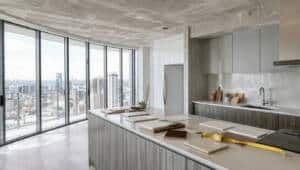
Kitchen renovations require careful planning around plumbing and gas lines. Body corporates need assurance that changes to these systems meet building codes and won’t create risks. If you’re moving plumbing locations significantly, expect additional scrutiny and potential requirements for engineering certification.
Bathroom renovations involve waterproofing concerns that body corporates take very seriously. Inadequate waterproofing can cause damage to units below, creating liability issues. You’ll need to demonstrate that waterproofing will meet current standards, often with certification from waterproofing specialists.
Open-plan renovations that remove walls always require structural engineering certification. Even walls that appear non-structural might have functions that aren’t obvious, and body corporates won’t approve wall removal without professional engineering confirmation that it’s safe.
Air conditioning installation or replacement often requires body corporate approval, particularly if it involves external condensers or changes to building facades. Noise from air conditioning units can affect other residents, so body corporates review placement and specifications carefully.
The Financial Implications
Body corporate approval processes have financial implications worth considering in your renovation budget. Application fees vary but typically range from a few hundred to over a thousand dollars depending on renovation scope and building size.
Some body corporates require damage bonds or security deposits before renovation work begins. These are refundable after work completion provided common areas aren’t damaged, but you need to factor them into your cash flow planning.
Delayed approvals can increase renovation costs if contractors need to reschedule or if material prices increase during extended approval processes. Building extra time into your renovation timeline helps mitigate these risks.
Failed inspections or compliance issues discovered after renovation can be extremely expensive to remediate. This is why working with qualified professionals who understand building codes and body corporate requirements is essential—it prevents costly mistakes.

Post-Renovation Requirements
After renovation completion, body corporates typically require final documentation confirming work meets approved plans and building codes. This might include electrical certificates of compliance, plumbing compliance certificates, and waterproofing certifications.
Final inspections by body corporate representatives or building managers verify that common areas haven’t been damaged and that work matches approved plans. Don’t schedule contractors for final clean-up until after these inspections are complete.
As-built drawings showing final configurations should be provided to the body corporate for building records. This documentation becomes important for future renovations or building maintenance.
Success Story Approach
At Skyon Group, we’ve successfully navigated body corporate approvals for hundreds of apartment renovations throughout Brisbane’s CBD and inner suburbs. We understand what body corporates need to see, how to prepare compelling applications, and how to work efficiently within building restrictions.
Our approach includes consulting with you about your goals, preparing comprehensive documentation, submitting thorough applications, communicating with body corporate and building management, and managing all aspects of the renovation process within building requirements.
We build body corporate approval timelines into project schedules from the start, preventing surprises and frustration. Our experienced team knows how to work in apartment buildings efficiently, protecting common areas and maintaining positive relationships with building management.

Making It Happen
Body corporate approval doesn’t have to derail your apartment renovation dreams. With proper planning, comprehensive applications, and experienced professionals managing the process, you can achieve the renovation you’re envisioning while maintaining positive relationships with your building community.
The key is starting with realistic expectations about timelines and requirements, then working with renovation specialists who understand the process intimately. Your apartment can be transformed into your dream home—it just requires navigating the body corporate process strategically.
Ready to start your apartment renovation? Home Renovations begin with understanding what’s involved and partnering with teams who can guide you through every step, including body corporate approval.