Small Bathroom Renovation Brisbane: Space-Maximising Designs That Impress
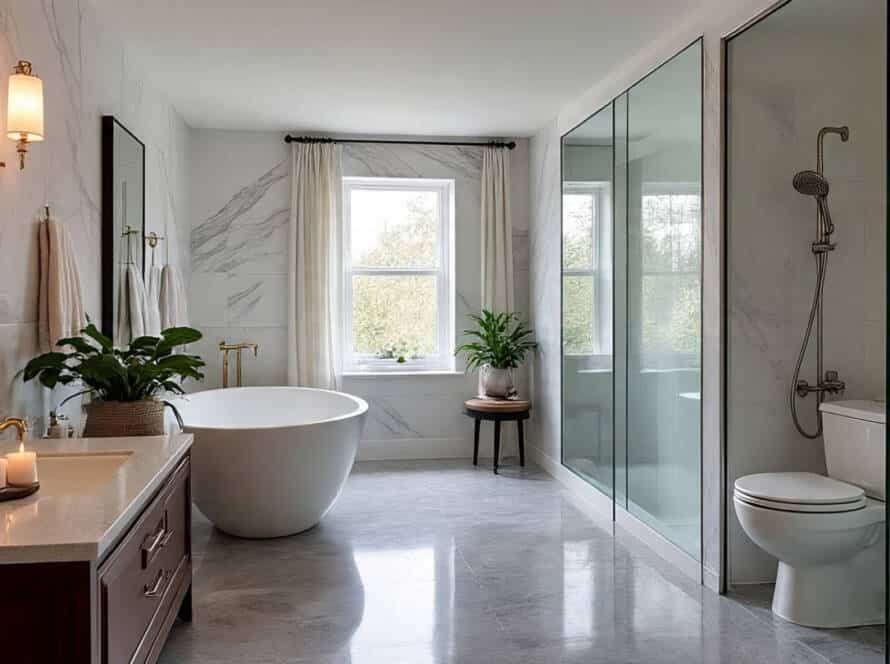
Transforming a compact bathroom into a functional and aesthetically pleasing space in Brisbane presents a unique set of challenges and opportunities. Often, the perceived limitations of a small bathroom become the very catalysts for innovative design solutions. This article explores effective strategies and design principles for small bathroom renovations in Brisbane, focusing on maximising space and delivering impressive results.
Small bathrooms, particularly in older Brisbane properties, can sometimes feel like a cramped stage where every fixture needs to perform multiple roles. The primary objective of a renovation is to expand the perceived and actual usable space without necessarily altering the existing footprint. This involves a meticulous approach to every design choice, from layout to material selection. For expert craftsmanship and quality, we specialise in Home Renovation Services that transform your living space.
The Psychology of Space: Perception vs. Reality
The feeling of spaciousness in a bathroom is not solely determined by its physical dimensions but significantly by perceptual factors. A well-designed small bathroom can feel larger than its actual square meterage through clever optical illusions and thoughtful spatial planning.
- Light and Colour Palette: The judicious use of light colours is a cornerstone of making small spaces feel bigger. Whites, creams, soft greys, and pastels reflect light, creating an airy and open atmosphere. Conversely, dark colours can absorb light, making a space feel more enclosed.
- Wall Colours: Employing a light, neutral palette for walls is a fundamental strategy. This allows other design elements to stand out and prevents the room from feeling oppressive.
- Ceiling Treatment: Painting the ceiling a lighter shade than the walls can draw the eye upwards, further enhancing the sense of vertical space.
- Accent Colours: While a predominantly light palette is recommended, strategic use of accent colours in towels, accessories, or a single feature tile can add personality without overwhelming the space.
- Mirror Placement and Size: Mirrors are powerful tools in small bathroom design. They reflect light and create the illusion of depth, effectively doubling the perceived size of the room.
- Large Vanity Mirrors: A large, frameless mirror above the vanity can have a dramatic impact. Consider a mirror that extends nearly to the ceiling or across the entire width of the vanity.
- Strategic Placement: Placing mirrors opposite windows or light sources amplifies their effect, bouncing natural light around the room.
- Mirrored Cabinetry: Integrating mirrored doors into vanities or medicine cabinets offers both storage and a reflective surface, optimising functionality and perception.
Navigating Brisbane’s Architectural Styles and Renovation Regulations
Brisbane’s housing stock features a diverse range of architectural styles, from Queenslanders with their characteristic high ceilings and wraparound verandas to more modern builds. Small bathrooms often exist within these varied contexts, and renovations must respect existing structures while adhering to local building codes and regulations.
- Older Queenslander Bathrooms: These often present unique challenges with their timber construction, potentially uneven floors, and smaller original room proportions. Renovations may require significant floor reinforcement and careful consideration of plumbing and electrical upgrades.
- Modern Apartment Bathrooms: While often more contemporary in their initial design, these can still benefit from space-maximising strategies, especially when evolving user needs require more functionality.
- Building Codes and Compliance: Any renovation work in Brisbane must comply with the Queensland Development Code (QDC) and relevant Australian Standards. This includes requirements for waterproofing, ventilation, plumbing, and electrical safety. Professional guidance is essential to ensure all works are compliant.
For those considering a small bathroom renovation in Brisbane, exploring innovative space-maximising designs can truly transform your limited area into a stunning and functional oasis. A related article that delves deeper into the various strategies and tips for optimizing small spaces can be found at Skyon Group’s Renovation Contractors Brisbane. This resource offers valuable insights and expert advice to help you achieve a stylish and efficient bathroom that impresses without compromising on comfort.
Maximising Functionality with Smart Layouts and Fixture Choices
The success of a small bathroom renovation hinges on an intelligent layout that prioritises functionality and flow. Every inch counts, and the careful selection of fixtures can drastically alter the usability and feel of the space.
Optimising Floor Plan and Traffic Flow
The arrangement of fixtures is paramount in a small bathroom. The goal is to create a clear path for movement without feeling cramped.
- Wet Area Zoning: Efficiently grouping the toilet, shower, and basin can streamline plumbing and create a logical flow.
- Corner Placement: Utilising corners for the shower or toilet can free up central floor space.
- Linear Layouts: In very narrow bathrooms, a linear arrangement of fixtures along one wall can maximise usable floor area.
- Doorway Considerations: The swing of the bathroom door can significantly impact available space.
- Inward Opening: While traditional, an inward-opening door can obstruct valuable wall space or fixtures.
- Sliding Doors (Pocket Doors): A pocket door, which slides seamlessly into the wall, is an excellent space-saving solution that entirely eliminates the door swing issue.
- Barn Doors: While external, barn doors can be a stylish and functional alternative where wall space permits.

Fixture Selection: Compact and Efficient Designs
Choosing the right fixtures is critical for small bathrooms. The trend towards more compact, wall-hung, and multi-functional items has greatly benefited small space design.
- Vanities: The vanity is often the largest element in a small bathroom, so its design is crucial.
- Wall-Hung Vanities: These create a sense of openness by exposing the floor beneath, making the room appear larger. They also simplify cleaning.
- Corner Vanities: Specifically designed for tight corners, these can be highly efficient in utilising otherwise awkward spaces.
- Pedestal Sinks: While very compact, they offer minimal storage. Newer, sleeker designs can still provide a clean aesthetic.
- Slimline Vanities: Narrow depths are key for maximising floor space. Look for vanities that are no deeper than 35-40 cm.
- Toilets: Modern toilet designs are increasingly space-conscious.
- Wall-Hung Toilets: Similar to wall-hung vanities, these create an illusion of greater floor space and are easier to clean. A concealed cistern further optimises space.
- Back-to-Wall Toilets: These sit flush against the wall, eliminating the gap behind the cistern and creating a sleeker, more compact profile than traditional cistern toilets.
- Compact or Round Toilets: Shorter projection toilets are ideal for minimising intrusion into the room’s usable area.
- Showers: The shower is a focal point, and its design can dramatically affect the perceived size of the bathroom.
- Walk-In Showers (Frameless Glass): Frameless glass enclosures are the gold standard for small bathrooms. They create a visual continuum, making the shower area blend seamlessly with the rest of the bathroom, thus expanding the perceived space.
- Corner Showers: Efficiently utilise corner real estate. D-shaped or quadrant shower enclosures are popular for their space-saving curves.
- Shower Niches: Recessed niches in the shower wall provide storage for toiletries without encroaching on space.
- Shower Screens vs. Curtains: While shower curtains can be effective, they can sometimes feel visually cluttered. Frameless glass screens offer a cleaner, more expansive look.
- Shower Head Types: Consider rainfall shower heads or hand-held showers for flexibility and a luxury feel.
Innovative Storage Solutions: Keeping Clutter at Bay

In a small bathroom, effective storage is not a luxury but a necessity. Overlooked or poorly implemented storage can quickly turn a refreshed bathroom into a cluttered and uninviting space. The key is to integrate storage discreetly and functionally.
Embracing Vertical Space and Hidden Storage
Maximising vertical space is a fundamental principle when dealing with the constraints of a small footprint. Think upwards rather than outwards.
- Tall, Slim Cabinets: A tall, narrow cabinet that extends towards the ceiling can provide significant storage capacity without taking up much floor space.
- Recessed Shelving and Niches: As mentioned with shower niches, creating recessed storage within walls frees up visual and physical space. This can be implemented in various areas of the bathroom, not just the shower.
- Over-the-Door Organisers: For less aesthetically critical items, over-the-door organisers can offer discreet storage for towels and toiletries.
- Bathroom Cabinets with Integrated Lighting: Some modern cabinets come with built-in LED lighting, which can enhance functionality and aesthetics.
Multifunctional Furniture and Accessories
Selecting furniture and accessories that serve more than one purpose is a smart strategy for small bathrooms.
- Vanity with Built-in Storage: Choosing a vanity with drawers and shelving is crucial. Consider vanities with pull-out drawers that are designed for efficient organisation of smaller items.
- Stools with Storage: A small stool that doubles as a storage container can be a practical addition, offering extra seating and a place to tuck away items.
- Towel Rails and Hooks: Strategically placed towel rails and hooks are essential. Consider multi-tiered rails or hooks that can hold multiple items. Wall-mounted options are preferred to avoid cluttering floor space.
Material Selection and Finishes: Enhancing Light and Space

The choice of materials and finishes plays a pivotal role in how a small bathroom feels. Light, reflective, and easy-to-maintain materials are generally preferred.
The Impact of Tile Choices
Tiles are one of the most significant design elements in a bathroom, influencing both aesthetics and the perception of space.
- Large Format Tiles: Contrary to intuition, larger tiles can make a small bathroom feel more expansive. Fewer grout lines mean less visual interruption, creating a more seamless look.
- Floor Tiles: Large format floor tiles can create a continuous surface, making the floor appear larger.
- Wall Tiles: Extending large format tiles to the ceiling can draw the eye upwards, enhancing verticality.
- Light Colours and Finishes: As previously discussed, light colours are essential. Consider glossy finishes on tiles, which reflect light and contribute to a brighter, more spacious feel.
- Feature Tiles: A strategically placed feature tile can add interest without overwhelming the space. This could be a mosaic in an alcove, a unique pattern on a wall, or a contrasting border.
- Natural Light Integration: While not a material, maximising natural light through well-placed windows or skylights significantly impacts the perceived size of the space.
Flooring Considerations
The flooring in a small bathroom needs to be both durable and aesthetically supportive of the overall design.
- Continuous Flooring: Using the same flooring material throughout the bathroom, including the shower area (with appropriate slip resistance), can create a sense of uninterrupted space.
- Water Resistance and Durability: In Brisbane’s climate, moisture resistance is paramount. Ceramic or porcelain tiles are excellent choices for their durability and water resistance. Luxury Vinyl Tile (LVT) is another good option, offering both water resistance and a slightly softer feel underfoot.
- Underfloor Heating: While not directly related to space perception, underfloor heating can contribute to comfort and eliminate the need for disruptive radiators.
If you’re considering a small bathroom renovation in Brisbane, exploring innovative space-maximising designs can truly transform your area into a functional and stylish retreat. For additional inspiration, you might find it helpful to check out a related article on kitchen makeovers that highlights clever design solutions and practical tips for optimizing space. Discover more about these ideas by visiting kitchen makeovers that can complement your bathroom renovation project beautifully.

Professional Expertise in Brisbane: Partnering for Success
Renovating a small bathroom in Brisbane requires a delicate balance of creativity, practical problem-solving, and adherence to building standards. Engaging with experienced professionals can ensure a smooth process and a superior outcome.
The Value of a Professional Renovation Team
At Skyon Group, we believe renovations are more than just upgrades—they’re an opportunity to transform your space into a reflection of who you are. Every detail tells a story, and we’re here to help you create one that feels uniquely yours.
Based in Brisbane, we bring over 20 years of experience to the art of renovation. From kitchens and bathrooms to entire home transformations, our team is committed to delivering results that inspire. We work closely with you to ensure every aspect of your renovation not only meets but exceeds your expectations.
- Expert Design Consultation: A professional designer or renovator can offer insights into space-saving solutions you may not have considered. They understand the principles of ergonomic design and how to maximise functionality within spatial constraints.
- Material and Fixture Knowledge: With extensive experience, renovators are aware of the latest trends in compact fixtures, space-saving technologies, and durable, aesthetically pleasing materials suitable for Brisbane’s climate and building stock.
- Navigating Building Regulations: Ensuring compliance with Brisbane City Council regulations, the Queensland Development Code, and Australian Standards is a complex task. Professional renovators manage this process, preventing costly delays and ensuring safety.
- Project Management: A well-managed renovation minimises disruptions and stress. A professional team coordinates tradespeople, schedules work efficiently, and oversees the quality of the build, ensuring your project stays on track and within budget.
- Avoiding Common Pitfalls: Small bathroom renovations can present unique challenges, such as inadequate ventilation needs or the complexities of moving plumbing. Experienced professionals can anticipate and mitigate these issues before they become major problems.
The Collaborative Process: Turning Vision into Reality
The most successful renovations are a partnership between client and professional. A clear communication channel ensures that your vision is understood and translated into the final design.
- Initial Consultation and Briefing: Clearly communicate your needs, desires, and budget. Provide examples of styles or features you like.
- Design Development and Refinement: Collaborate with the design team to explore various layout options, fixture selections, and material palettes.
- Budgeting and Contract: A detailed quote and contract outlining the scope of work, materials, timelines, and payment schedules are essential for transparency and accountability.
- Construction and Site Management: Regular site visits and communication during the construction phase keep you informed and allow for prompt decision-making.
By understanding the fundamental principles of space maximisation, investing in smart fixture choices, implementing effective storage solutions, and working with experienced professionals, a small bathroom renovation in Brisbane can result in a highly functional, aesthetically pleasing, and ultimately impressive space. The perceived limitations of a compact area can indeed become the fertile ground for creative and inspiring design, proving that size is not always the defining factor of a beautiful and practical bathroom.